
Clinical Nutrition
Diet in
lactation
What to eat when lactating? All your answers lie with us
All mothers need
to know this
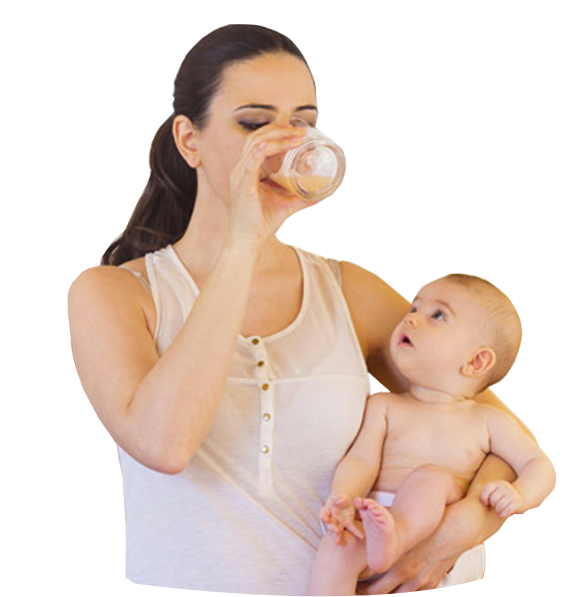
Many breastfeeding mothers wonder if the foods they eat will affect their breast milk. Perhaps you’ve wondered if it is necessary to avoid certain foods to prevent digestive problems or allergies in your baby. Or maybe you wonder if you need to eat special foods to make the right amount of milk or the best quality milk for your baby. Find your answers here. The good news is that your milk will probably be just right for your baby regardless of what you eat. Your body knows exactly what nutrition your baby needs at every stage of development.
How much to eat Breastfeeding requires extra calories. If you still have baby weight from your pregnancy, these extra calories will naturally be used for your milk. If you have lost all your baby weight, you may need to eat an extra 500-600 calories per day. After your baby starts eating other foods at 6 months, you will be making less milk and you can cut back on your calorie intake.
Dietary implications
of lactation
- Include protein foods 2-3 times per day such as meat, poultry, fish, eggs, dairy, beans, nuts and seeds.
- Eat three servings of vegetables, including dark green and yellow vegetables per day.
- Eat two servings of fruit per day
- Include whole grains such as whole wheat breads, pasta, cereal and oatmeal in your daily diet.
- Drink water to satisfy your thirst. Many women find they are thirsty while breastfeeding; however, forcing yourself to drink fluids does not increase your supply.
- Dietary restrictions from pregnancy do not apply to breastfeeding moms.
- Vegetarian diets can be compatible with breastfeeding. If you avoid meat, make sure you eat other sources of iron and zinc such as dried beans, dried fruit, nuts, seeds and dairy. If you avoid all animal products (vegan diet) you will need to take a B12 supplement to make sure your baby does not develop a B12 deficiency.

first time mothers or not, we got you
Breastfeeding requires extra calories. If you still have baby weight from your pregnancy, these extra calories will naturally be used for your milk. If you have lost all your baby weight, you may need to eat an extra 500-600 calories per day. After your baby starts eating other foods at 6 months, you will be making less milk and you can cut back on your calorie intake.
Get a personalised diet
when lactating
With certification in Clinical Nutrition Specialization ESA/ACSM, all expecting mothers can trust us for nutritional guidance customized to their specific needs. The ability and experience to understand the emotional as well as physical requirements of each and every expecting woman that comes to us combined with our well researched and up to date Nutrition Plans, you can bank on us for a flawless experience.
We are excited and honoured to be a small part of your journey.

Consult Now
Let’s make you leaner, stronger, healthier. Schedule an appointment to get your personalized meal and/or workout plans today! Call 0000000